
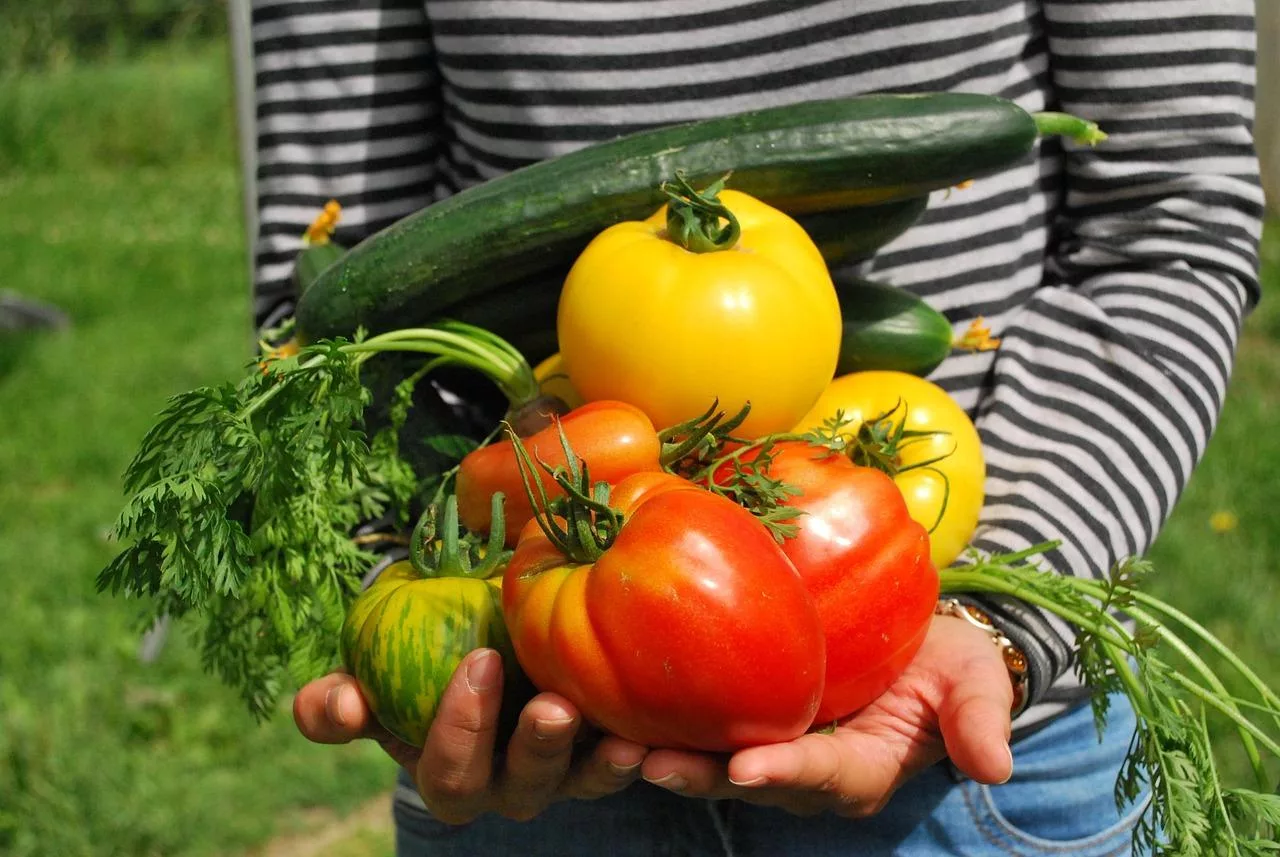
Beginner’s guide to home gardening.

Growing your own food at home might feel like a tough nut to crack, but it’s one of the most fulfilling activities. Humans share a deep connection with our nature—feeling the sun, walking barefoot on grass, and watching plants grow as birds chirp nearby is truly therapy.
Gardening has been scientifically proven to boost mood, improve mental health. Nothing can match the warmth of homegrown food when you taste the juicy and vibrant flavors from your vegetable garden.
Here, we have highlighted 10 simple tips for growing your own vegetables at home. Let’s dig in!
Easy Tips for Growing Your Own Vegetables
Our ancestors had to grow their own food to feed themselves, anyhow. Since we have unlimited resources readily available to grow food, home gardening is now easier than ever. Let’s discover the basics of gardening for beginners.
1. Start Small and Simple
Beginners often get overwhelmed by overplanting in the beginning. Instead, start small with only 2-3 vegetables. Another common misconception is that you require a large patch of land for home gardening. You may even start with container gardening.
Container gardening refers to planting herbs or simple veggies in a small pot or container. Here are some of the easiest veggies to grow:
- Radish
- Green beans
- Tomatoes
- Red beets
- Carrots
- Squash
- Spinach
2. Choose the Right Location
The location of your vegetable garden matters more than the crop itself. It determines whether your garden will thrive or struggle to produce results.
- Make sure the vegetables get at least six to eight hours of adequate sunlight. Reserve hot spots for warm-loving plants, like tomatoes and peppers.
- Avoid windy areas, as they can damage young plants.
- Don’t let shorter plants sit in the shade of taller ones. Keep the shady places for cold-tolerant plants.
3. Know Your Growing Season
Each crop grows best in its ideal season. Some vegetables grow best on hot days when the sun is full (between March and November). However, cold-loving plants prefer late springs or early falls.
- Tomatoes and zucchinis grow best in summer, while leafy greens thrive better in cooler weather.
- Root vegetables that grow under the ground anyway need less energy.
- Cucumbers and melon seeds do not germinate under a soil temperature of 60 degrees.
For best results, follow the seasonal planting guide.
4. Prepare the Soil Well
The first step in organic gardening is the soil preparation.
- Start by loosening the land 8-12 inches deep and mix in compost or well-rotted manure.
- If possible, test the pH and aim for a neutral pH.
- Feed with natural fertilizers every season to improve nutrients.

5. Use Good Quality Seeds or Seedlings
Seed germination requires adequate sunlight and space. If you are unsure how to grow vegetables from scratch, start with high-quality seedlings instead of seeds. Seed packets are cheaper, but if they fail to germinate, it wastes your time and money.
We recommend beginners begin with young veggie plants available for sale. Learn to nurture plants first rather than starting from scratch.
6. Water Wisely
Watering leads to healthier plants—but only if it’s done wisely. Overwatering or watering at the wrong time harms the plants’ health.
- Young seedlings require more frequent watering, especially when it is hot.
- Adult plants retain moisture for longer periods.
- Overwatering results in yellow leaves that eventually damage crops.
- Arrange a watering system by using a faucet or hose directed toward roots rather than the leaves.
The best time to water your vegetable garden?
Watering plants in the morning is the best time of the day. Midday can scorch the leaves, while watering in the evening increases the risk of fungal growth due to moist and low temperatures.

7. Learn About Common Pests and How to Deal with Them
You can protect your plants from pests and diseases by focusing on essential care. Plants tend to be stronger when they get proper sunlight, water, and fertilizers. Weeds must be removed to prevent diseases during soil preparation.
Companion planting and using physical barriers are the common ideas to minimize pests.
8. Keep a Gardening Journal
A gardening journal helps you to stay on track. Spend some time in the garden every day and notice how much sunlight or shade falls at different times of the day. It helps to locate warm-season plants at the sunniest spots.
Also monitor how different weathers affect the crops and plan next season accordingly. Create an annual garden plan—it gives you clear goals and motivation.
9. Don’t Skip Maintenance
Failing to maintain your garden takes all your effort in vain. Regularly fertilize, weed, and harvest your plants. Dedicate a specific time to monitoring your crops to ensure they grow well.
- Fertilize the plants every two weeks with natural fertilizers.
- Make sure you harvest the crops as soon as they ripen; only then will you enjoy their peak flavors.
10. Be Patient and Enjoy the Process
While growing your vegetables at home, you will learn new things at every step. Don’t get disappointed if you fail to succeed initially. Home gardening takes time, but harvesting fresh, homegrown food from your vegetable garden is worth it.
Learning should be your top priority here. Learn, improve, and enjoy the process.

Final Thoughts
Organic gardening requires consistency and care, especially when growing food at home. These simple tips for growing your own vegetables will make gardening more enjoyable. Let’s grow and eat healthy food for a better life.
Share your favorite DIY garden tips in the comments below.