
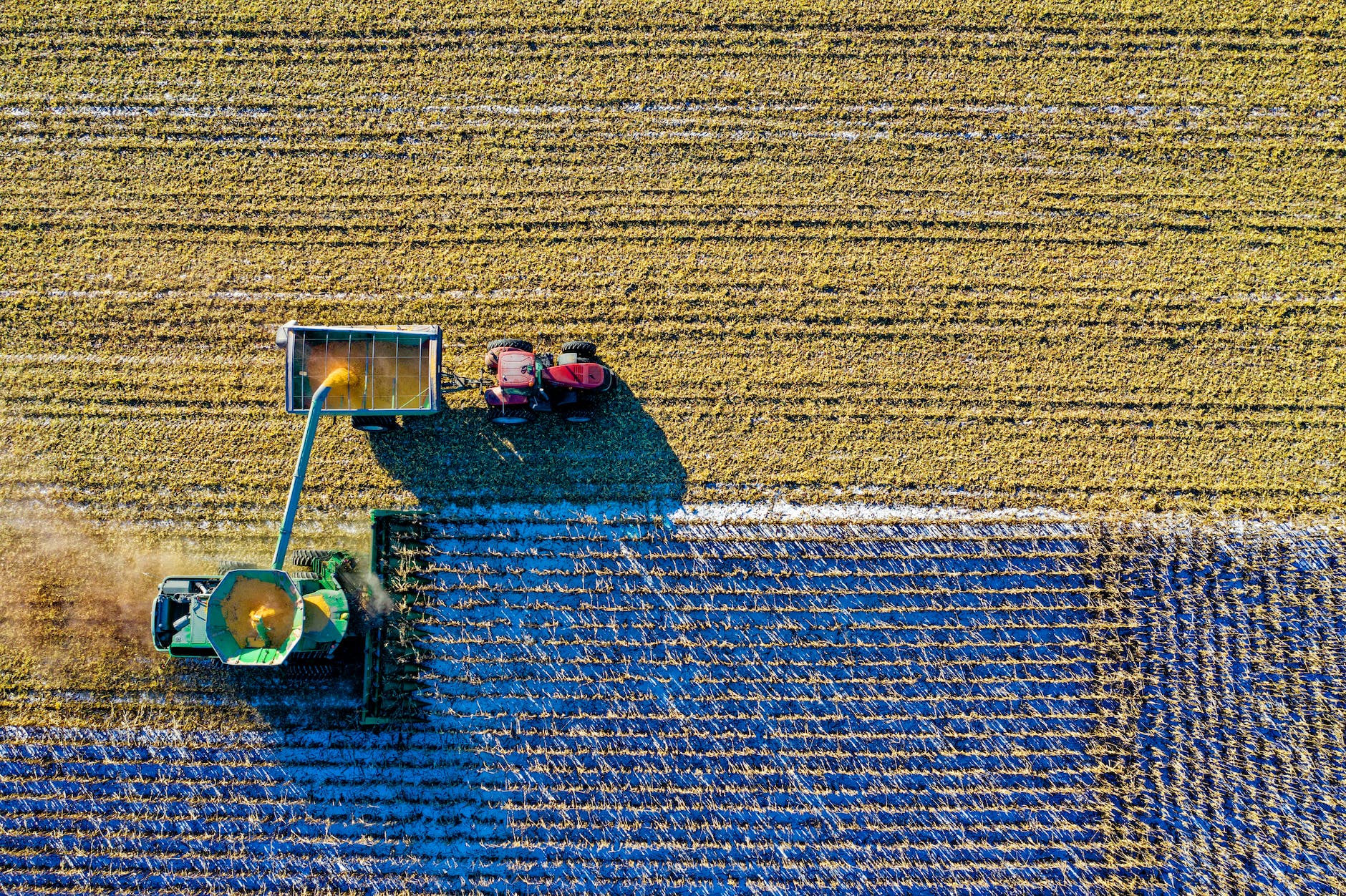
Precision Agriculture, Agri-Drones, Smart Greenhouse, CRISPR, and Alt proteins shaping the fourth agricultural revolution.
As the world population continues to grow the demand for food is also on a rise. The agriculture industry is making the most out of IoT-based sensors, artificial intelligence, Agri-drones, CRISPR gene editing, Smart greenhouse, and Alt proteins to maximize production with minimum land use and costs to tackle increased demand for food.
The agriculture industry is utilizing smart agriculture technology to boost farmland productivity and manage waste. These technologies are designed to help boost agricultural productivity through more efficient farming practices.
Sustainable agriculture with Precision Agriculture
Precision agriculture provides sustainable agriculture with the application of artificial intelligence and robotic machinery. These autonomous robots can be utilized for waste management, fruit collection, and the application of fertilizers to fields.
The latest Global data report, ‘Tech in 2030- Thematic Research’, forecasts that Internet accessibility will increase from 63% to 80% by 2030 which will provide efficient connectivity in rural areas. With a fast 5G network, it will be more reliable to use Farming Management Systems (FMS) to store crop health data which helps in optimizing consumption. Blockchain will provide secure food production, trade, and safety by connecting all suppliers into a traceable network.
Automated Agri-drones will do cop health and land diagnosis . The popularity of Agri-drones has increased 14 times more than non-military drones as per Global data patent analysis databases. Rachel Foster Jones at Global data stated: “Currently, drones conduct imaging and monitoring tasks for farms. However, there is rapid innovation in this area. Modular-based innovation will mean that drones will be able to undertake advanced crop spraying and terrain monitoring by 2030. The labour crisis and skills shortage will bolster agriculture drone demand, as they will be able to undertake time-consuming tasks.”
Artificial intelligence will regulate smart farming with controlled digital twins to provide remote farming and sustainable cost-efficient practices. A digital twin system is operated with artificial intelligence which analyses current crop conditions and offers future recommendations to farmers.
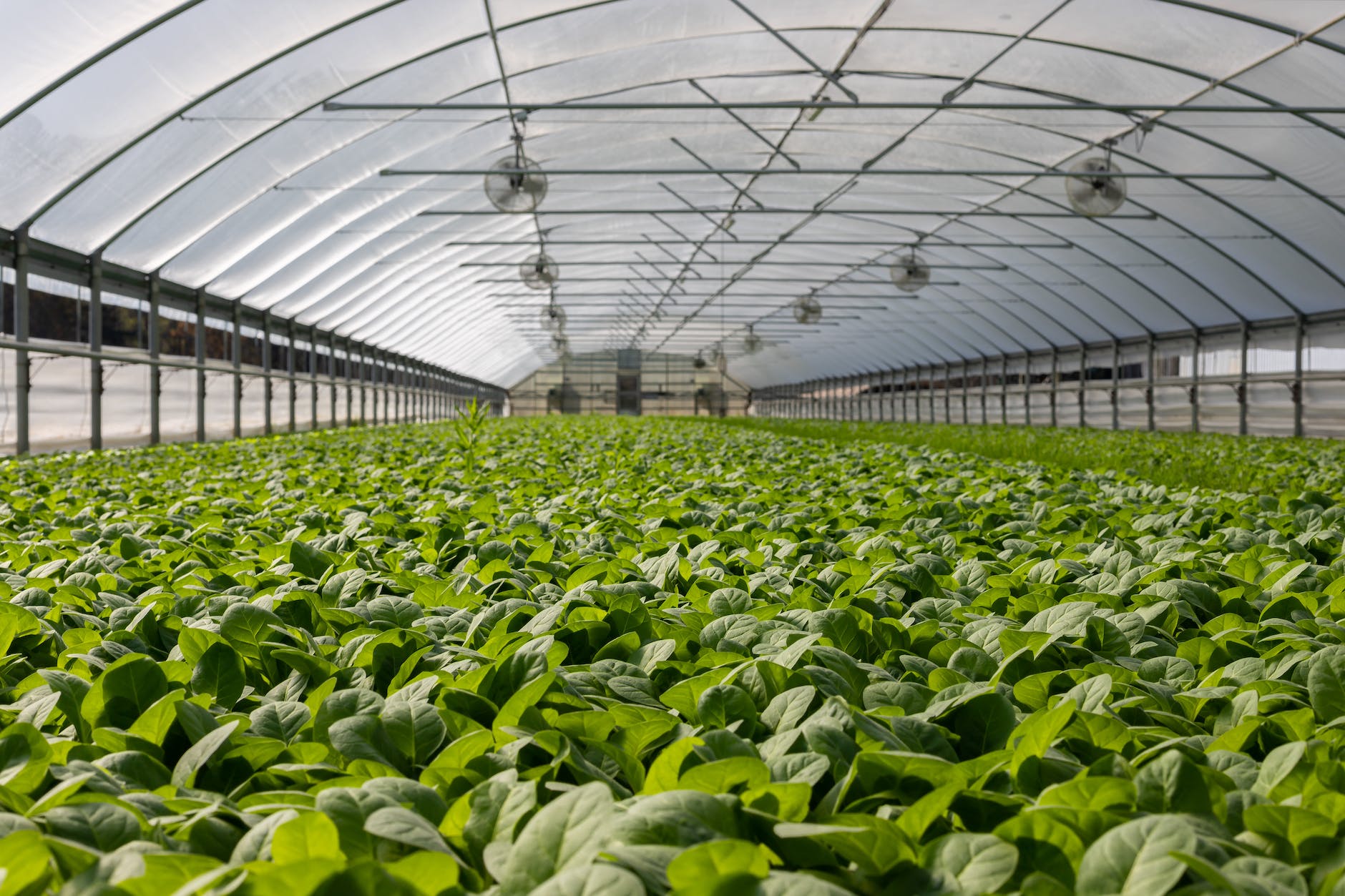
Smart Greenhouses and Vertical Farming will boost productivity.
According to Global data, 60% of the population will become urban by 2030. Therefore, IoT Automated Smart Greenhouse will boost food productivity by decreasing constant monitoring. As per Global Data, demand for smart greenhouse-related jobs has tripled from 2021.
Another indoor and controlled crop production technology, Vertical farming, will cancel out the land issues. The vertical farming market will see a jump from $702M to $33B between 2020 and 2030 as per Global Data.
Moreover, as per Global data predictions, Investments in animal health and safety will be increased by 2030 to bring IoT, Artificial Intelligence , and genomics for better monitoring and protection against zoonotic diseases. CRISPR, a DNA modifying technique will help produce climate and disease-resistant crops. GMOs are genetically modified crops with foreign DNA which are still under controversy. In addition to plant-based diets, there is also a growing demand for alternative protein sources such as insects, algae, and lab-grown meat.
Some challenges to overcome by food and farming industries.
Overall, the future of food and farming looks promising. While Global Data highlights that Agriculture industries will have to cope with hurdles in the shape of climate change, oligopolies, cybersecurity, consumer resistance, and regulatory affairs.
Climate change will impact crop productivity and yield due to changes in weather patterns. Food scarcity can result in oligopolies formed by the joining of tech companies and Agri-firms. Automated technologies by IoT will be more prone to cyber threads. Ethical issues are hurdles for CRISPR and gene editing technologies that need to be overcome by addressing people about the pros of gene editing.
