
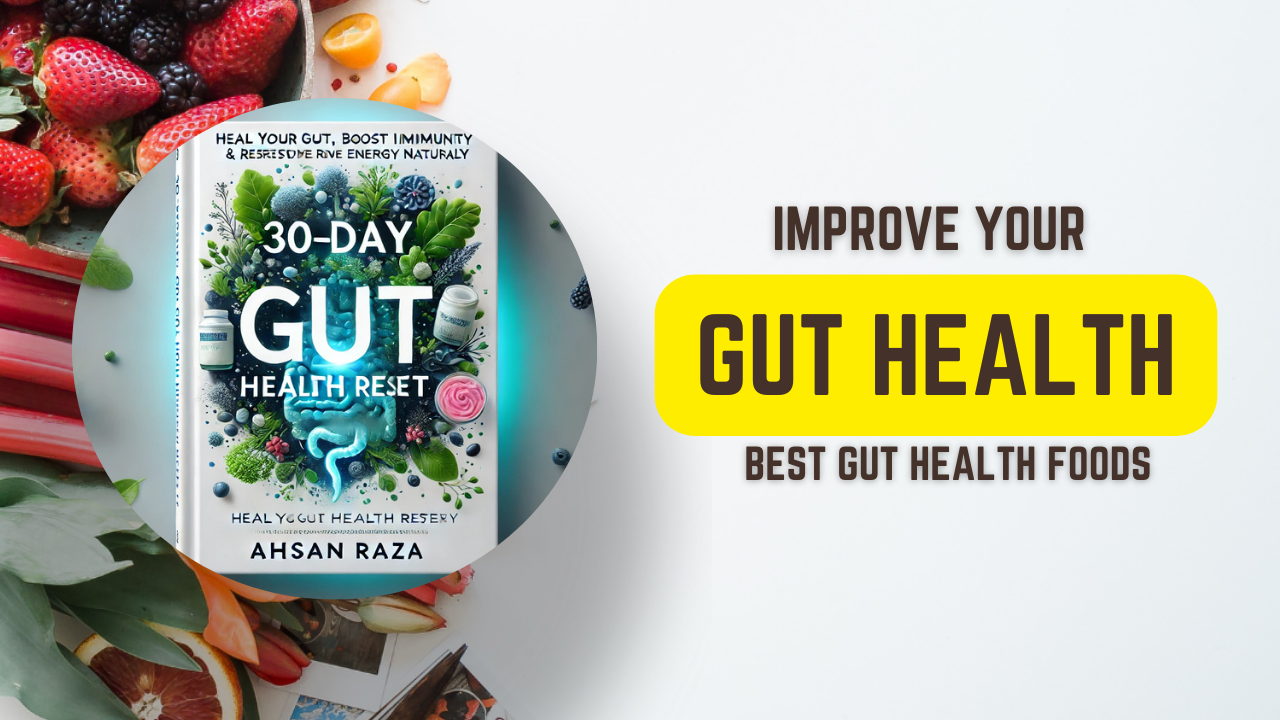
Explore why gut health matters with 30 day reset Plan
Introduction to Gut health
Introduction Your gut is more than just a digestive system—it’s your body’s second brain. A healthy gut can improve digestion, boost immunity, regulate metabolism, and even enhance your mood. However, poor eating habits, stress, and lack of sleep can disrupt your gut microbiome, leading to bloating, fatigue, and other health issues.
If you’ve been struggling with gut-related problems, it’s time for a reset. This 30-Day Gut Health Reset Plan will guide you through simple, natural steps to heal your gut and feel your best.
What Is Gut Health and Why Does It Matter?
Your gut is home to trillions of bacteria that play a crucial role in digestion, immune function, and mental well-being. When your gut microbiome is balanced, you feel energized and healthy. However, an unhealthy gut can cause digestive issues, brain fog, skin problems, and weight gain.
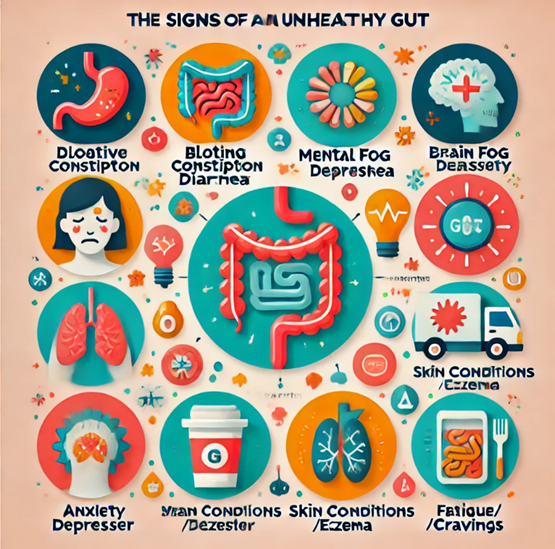
Signs of an unhealthy gut include:
- Bloating, constipation, or diarrhea
- Sugar cravings and unexplained weight gain
- Chronic fatigue or low energy
- Anxiety, mood swings, or difficulty concentrating
- Skin issues like acne, eczema, or rosacea
Chapter 4: Fuel Your Gut with the Right Gut Health Foods
What you eat directly impacts your gut health. Let’s explore which foods nourish your gut and which ones harm it.
- Top Probiotic Foods
Probiotics are the beneficial bacteria your gut loves. Think of foods like yogurt, kimchi, kefir, and sauerkraut as the heroes that help maintain a balanced microbiome. - Prebiotic Foods: The Gut’s Best Friend
Prebiotics are the food for your beneficial bacteria. Garlic, onions, bananas, and asparagus are all high in prebiotics and help feed the good bacteria in your gut. - Harmful Foods to Avoid
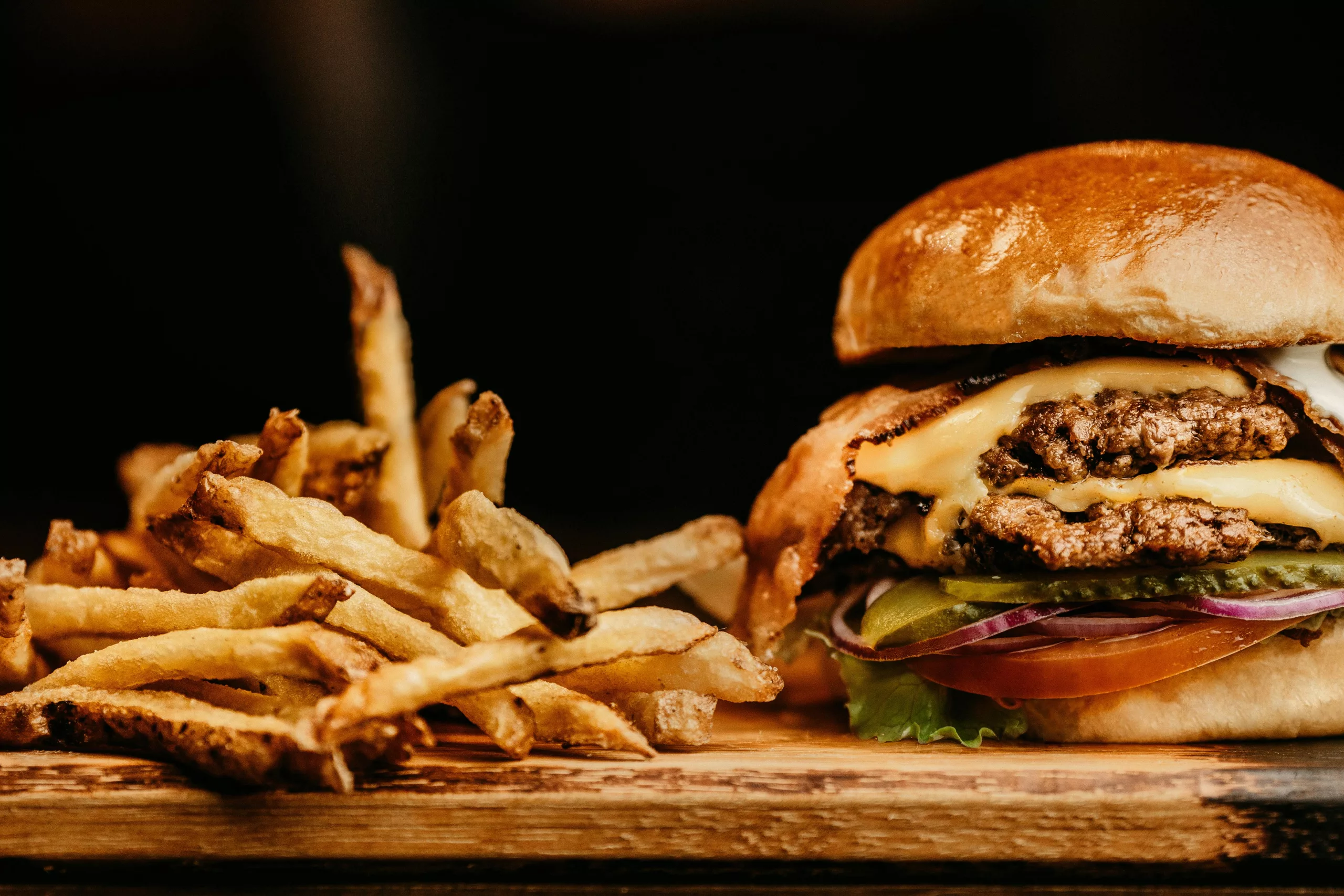
Unfortunately, some foods can disrupt the balance of your microbiome. Processed foods, sugary snacks, refined carbs, and alcohol can all contribute to gut imbalance.
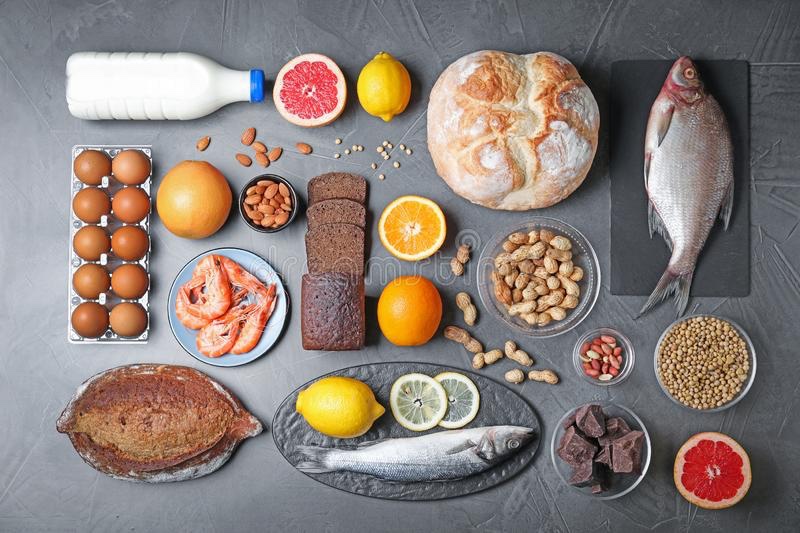
Foods that are good for gut health (The best Gut Health Foods)
- Fruits and veggies: Fresh fruits and vegetables have anti-inflammatory qualities because of their vitamins. This may contribute to giving gut bacteria a healthy environment. Additionally, they are high in fibre, which supports healthy digestion.
- Beans and lentils: Both beans and lentils are high in resistant starch and dietary fibre. Good gut bacteria use this kind of carbohydrate as fuel. Think about including more lentils and beans in your diet, such as kidney beans, chickpeas, and black beans.
- Oats: Packed with soluble fibre, whole grains like oats support the large intestine’s fermentation process and encourage the development of beneficial.
- Seeds and nuts: Nuts and seeds are a fantastic source of healthful fats and fibre. Nut-rich meals may increase the number of good bacteria in the stomach.
If you want to explore more about how food imbalance can lead to obesity you can read the following article to get more into food balance.
https://theblog.razaspeaks.com/from-fast-food-to-fatigue-the-multifacete…
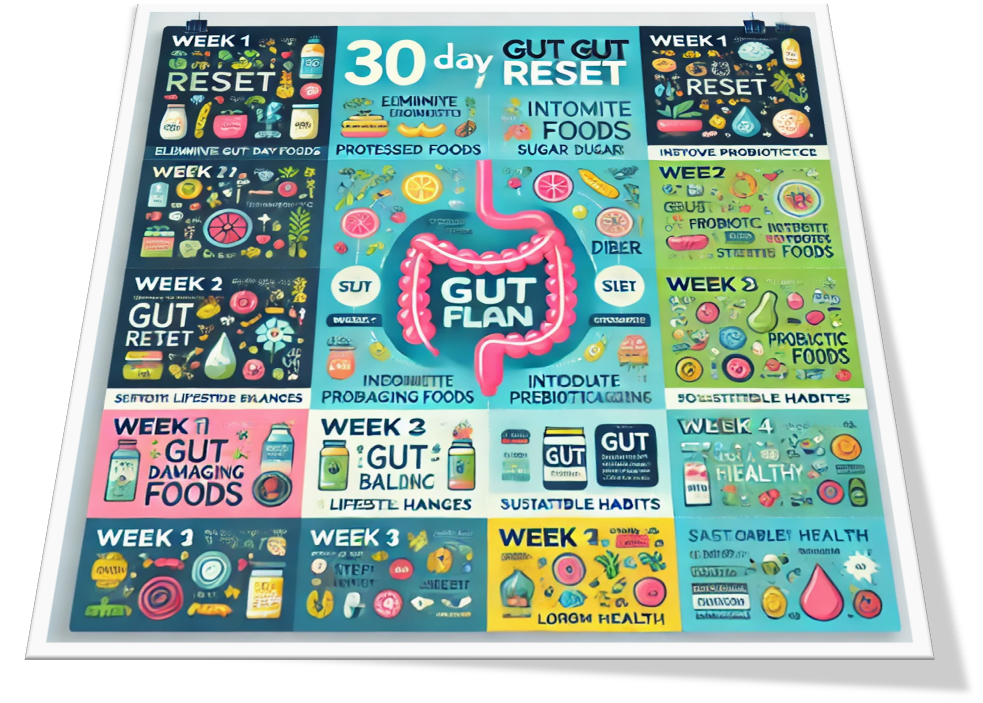
30-Day Gut Reset Plan: Step-by-Step Guide
Week 1: Remove Gut-Damaging Foods
The first step is to eliminate processed foods that disrupt gut health. Avoid: ✔️ Refined sugars & artificial sweeteners
✔️ Processed foods & fast food
✔️ Dairy & gluten (if sensitive)
✔️ Alcohol & excessive caffeine
✔️ Highly processed vegetable oils
Instead, focus on whole, natural foods like fresh vegetables, lean proteins, and healthy fats.
Week 2: Introduce Probiotic & Prebiotic Foods
Now that you’ve removed gut-damaging foods, it’s time to nourish your microbiome. Add these gut-friendly foods:
- Probiotics: Yogurt, kimchi, kefir, sauerkraut
- Prebiotics: Garlic, onions, bananas, asparagus
- Fiber-rich foods: Oats, beans, flaxseeds, lentils
- Fermented foods: Miso, tempeh, kombucha
These foods help restore the balance of good bacteria in your gut, improving digestion and nutrient absorption.
Week 3: Support Gut Health with Lifestyle Changes
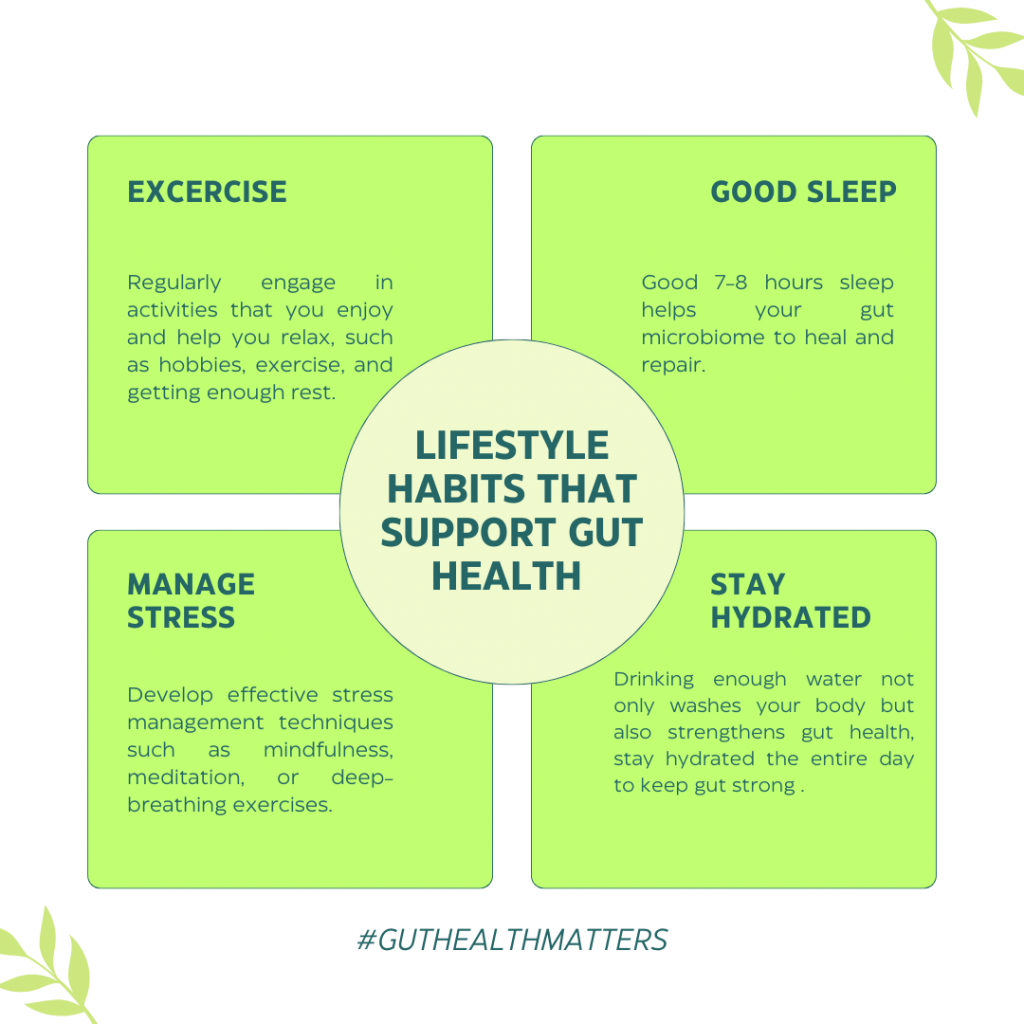
Beyond food, your daily habits play a huge role in gut health. This week, focus on: ✔️ Better sleep: Aim for 7-9 hours to allow your gut to repair itself. ✔️ Stress management: Practice meditation, deep breathing, or yoga. ✔️ Hydration: Drink at least 2L of water daily. ✔️ Exercise: Light movement like walking, yoga, or cycling improves gut function.
Week 4: Develop Long-Term Gut-Friendly Habits
As you enter the final week, focus on making these changes a permanent part of your lifestyle:
- Keep eating probiotic & prebiotic foods regularly.
- Continue avoiding highly processed foods & sugars.
- Stick to a hydration & sleep routine.
- Stay active to support digestion & metabolism.
By the end of 30 days, you’ll feel more energized, less bloated, and have improved digestion and mental clarity.
Final Thoughts: Your Gut Reset Journey Starts Now!
Your gut health impacts everything—from digestion to mood and immunity. By following this 30-day gut reset, you’re taking control of your well-being and setting yourself up for long-term health.
Want to dive deeper into gut healing? Download my eBook, 30-Day Gut Health Reset Plan, for a complete guide with meal plans, expert-backed strategies, and more!
📖 Get your copy here:
https://amzn.eu/d/7MTu3Sn
https://razaspeaks.etsy.com/uk/listing/1857012604/30-day-gut-health-reset


I am really loving the theme/design of your website. Do you ever run into any internet browser compatibility problems? A couple of my blog visitors have complained about my site not operating correctly in Explorer but looks great in Firefox. Do you have any advice to help fix this issue?