

Do you still wait for a doctor’s appointment for weeks or rely on sticky notes to remind you to take your medications on time? In today’s digital age, it feels outdated and risky.
This is where wearable health monitor devices step in to help. Smart health monitoring is now beyond our smartphones—it includes biosensors, wearable ECG monitors, and glucose monitoring systems.
Whether it’s a smartwatch that tracks your daily activities or a biosensor to detect early signs of illness, these smart technologies help to take control of our well-being.
Let’s explore seven types of wearable medical devices and how they’re transforming personal healthcare.
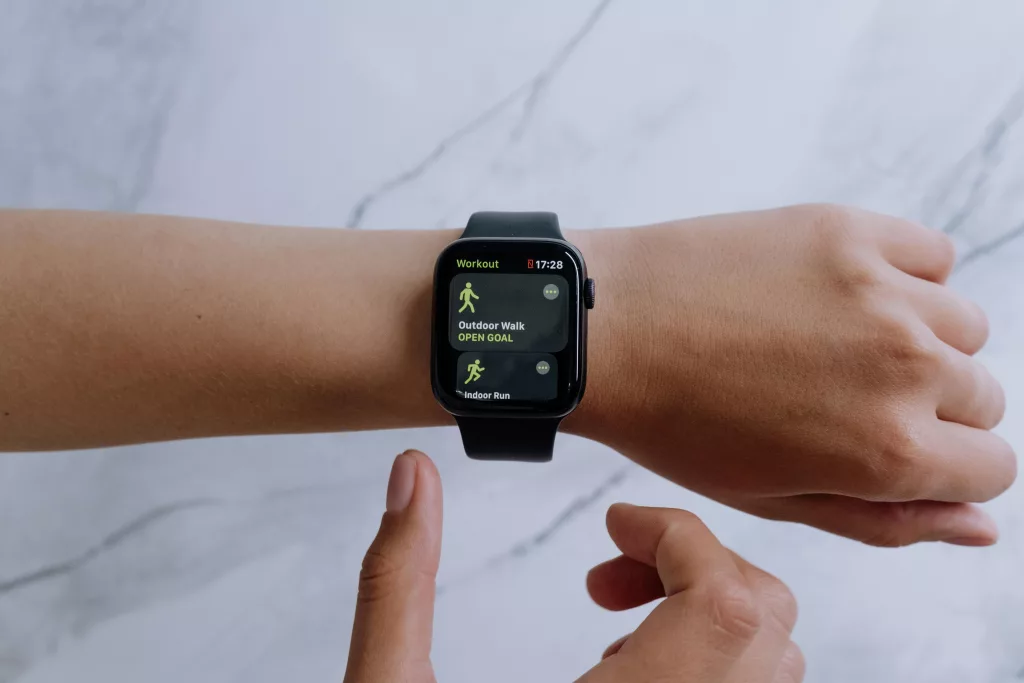
What Is a Wearable Health Monitor?
- Wearable health monitors are devices worn to track regular activities like calories, steps, and distance. On a broader level, they can detect the heart rate, sleep cycles, stress levels, and much more. This data can be further used for the health consultation process.
- The scope of smart wearable technology is revolutionizing rapidly. Patients can now track their body functions 24/7, get personalized healthcare plans, and detect the early symptoms of diseases before they fully appear.
How Do Wearable Health Monitoring Devices Work?
The traditional health diagnosis is inaccurate to an extent since the information is derived from the patient’s family or friends. However, the smart health monitoring tools record the real-time health status and make deeper observations to encourage more effective health decisions.
Wearables integrate with smartphones to secure personal health data. You can view your saved health metrics and share them with your physician through interoperable healthcare software.
For example, the Apple Smartwatch syncs with the Apple Watch App.
7 Popular Types of Wearable Health Monitoring Devices
1. Smartwatches for Health Tracking
Smartwatches are the most widely used wearable health devices, with the Apple Watch setting a Gen-Z healthcare trend. They track daily activities and encourage users to meet fitness goals.
Example: Apple Smartwatch.
Apple sells around 40+ million watches every year. It tracks steps, distance, calories, etc.
- Some smartwatches have advanced health-tracking features like,
- Heart Rate Monitoring: Embedded heart rate sensors monitor heart rate while working out or while asleep.
- Sleep Tracking: Some smartwatches can detect sleep patterns, cycles, and even the quality of sleep.
- Blood Oxygen Monitoring: They measure oxygen levels in the overall respiratory system.
2. Fitness Trackers
These devices continuously monitor your sleep, heart rate, and calories consumed. Some fitness trackers even suggest to users the right physician to visit and personalize the health plans.
They are integrated with the mobile applications that enable healthcare solutions. You can use the data to adjust your lifestyle.
A common fitness tracker device is the Xiaomi Mi Band.
3. Smart Jewelry
Brands like Oura and Joule now offer smart rings and earrings to track user health. Many other fashion firms are also working to incorporate health monitoring in jewelry.
- Oura’s Smart Ring:
Oura presents the most prominent smart ring that claims up to 99.6% heart rate accuracy when compared to a traditional ECG machine. - This smart jewelry detects pulse signals from the finger to identify sleep patterns, heart rate, temperature, and breathing rate. Almost 86% of Oura Ring users witness an improved sleep quality.
4. Biosensors for Real-Time Health Tracking
Wearable biosensors are the self-adhesive patches that stick to the user’s skin to monitor different physiological features, like heart rate, temperature, breathing rate, and cortisol levels. They alert users if readings signal a health risk.
Philip’s Biosensor BX100 is an example of a smart biosensor that provides real-time data and improves the patient’s wellness.
5. Continuous Glucose Monitors (CGMs)
- Wearable CGMs are a boon for diabetic patients that detect real-time blood sugar levels of the user. Some CGMs sync with smartphones, making it easier to check glucose levels and share reports with physicians.
- CGM devices like Abbott Freestyle Libre 2 and the Dexcom G7 send real-time glucose alerts when it is not normal. They also suggest food and beverage intake
6. ECG and Heart Rhythm Monitors
Unlike a traditional ECG, smart ECG monitors continuously track the heart rhythms and identify abnormalities. They are useful for extended tracking periods of up to 14 days.
- They detect early signs of stroke and support proactive care. Critical tools like ECGs must be verified by the Food and Drug Administration to ensure safety and reliability.
Examples: WHOOP strap
It’s an FDA-approved device designed for athletes to track heart rate, fatigue levels, and recovery status.

7. Smart Wearables for Women’s Health
Such devices empower women’s health by tracking hormonal changes, menstrual cycles, and fertility. Devices like IdentifyHer use AI to predict menopausal symptoms and potential fertility risks.
Key Benefits of Using Wearable Health Monitors
According to the research, these smart health-care technologies have cut down up to 89% of patient deterioration into uncertain conditions of respiration and cardiac arrest.
Here are some key benefits that users explore:
- Motivation for fitness and well-being: Remote monitoring helps users set healthy goals and stay aware of their health.
- Continuous Personal Assistance: You get real-time health support from home. These wearable smart devices are making proactive care easier than ever.
- Data Privacy: Since these devices record sensitive health status, health tech providers like Tiga ensure encrypted data storage and secure data transmissions. You can save and review data without using phone space.
- Early Detection of Potential Health Issues: Wearables identify the early symptoms of health risks before the disease grows.
- Personalize plans for the patient: Wearables provide tailored health-care routines that align with the new physiological changes.
- Reduced medical costs: Since the data is saved and reported digitally, wearable devices eliminate the costs of traveling and in-person appointments.
Conclusion
Smart health monitoring is changing the way we track, adjust, and improve our well-being. With the evolution of wearable medical devices, they’re becoming essential tools for better lifestyle. With the industry set to grow rapidly, how do you see wearable technology shaping your health journey in the future? Share your ideas with us in the comments.
References:
Folio3 Digital Health: For custom healthcare software development.
Sermo: A like-minded health enthusiast community.
U.S. Food and Drug Administration: For alerts of unsafe FDA-regulated products.
Vantage Medtech: For digital health services.