
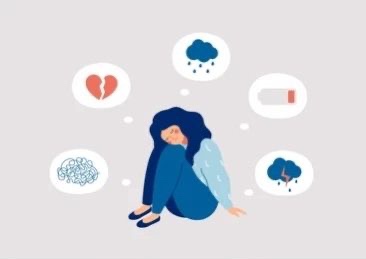
Every minute 27 searches on Google for keyword Depression in UK. People seek help from Google because most of us ask what is depression.
Depression is a mental health condition that affects millions of people worldwide. It is a complex and often misunderstood illness that can have a profound impact on a person’s life. Here is an article that explores what depression is, its symptoms, and how it can be treated.
DEPRESSION: A THIEF OF JOY
Depression is a thief that robs us of our happiness, our motivation, and our sense of self. It creeps in slowly, insidiously, until one day we wake up feeling lost, overwhelmed, and helpless. It affects people of all ages, genders, and backgrounds, and it can be a debilitating illness if left untreated.
Depression is a mental health disorder that causes feelings of sadness, hopelessness, and despair. It can also lead to physical symptoms such as fatigue, changes in appetite, and trouble sleeping. Depression can be caused by a variety of factors, including genetics, life events, and chemical imbalances in the brain. While it’s normal to feel sad or down from time to time, depression is different. It’s a persistent feeling that lasts for weeks, months, or even years.
CHALLENGING SYMPTOMS
One of the most challenging aspects of depression is that it can be difficult to recognize. Many people may feel ashamed or embarrassed to talk about their symptoms, which can lead to isolation and further exacerbate their feelings of hopelessness. However, recognizing the signs of depression is crucial to seeking help and beginning the healing process.

Some common symptoms of depression include:
- Persistent feelings of sadness, emptiness, or hopelessness
- Loss of interest in activities that were once enjoyable
- Fatigue or lack of energy
- Changes in appetite and weight
- Difficulty sleeping or oversleeping
- Feelings of worthlessness or guilt
- Difficulty concentrating or making decisions
- Recurring thoughts of death or suicide
If you or someone you know is experiencing these symptoms, it’s essential to seek professional help. Depression is a treatable illness, and there are many effective treatments available, including therapy, medication, and lifestyle changes.
COURAGE TO ACKNOWLEDGE
Therapy can help individuals learn coping skills and strategies to manage their symptoms and improve their overall quality of life. Medication can also be helpful in reducing the severity of symptoms and helping individuals feel more like themselves again. Additionally, making lifestyle changes such as exercise, healthy eating, and stress management can also play a significant role in managing depression.
Remember that seeking help for depression is a sign of strength, not weakness. It takes courage to acknowledge that you are struggling and to take steps towards healing. Depression can be a challenging and isolating illness, but with the right treatment and support, it’s possible to overcome it and find joy in life once again.

FINDING A LIGHT FOR TREATMENT
Certainly, here are some solutions for depression:
- Seek professional help: If you are experiencing symptoms of depression, it’s important to seek help from a mental health professional. A therapist or counselor can help you learn coping skills and strategies to manage your symptoms, and may also recommend medication if needed.
- Practice self-care: Taking care of yourself is important for both your physical and mental health. This can include things like getting enough sleep, eating a healthy diet, and engaging in regular exercise.
- Connect with others: Depression can be isolating, but connecting with others can help. This can include reaching out to friends or family members for support, joining a support group, or volunteering in your community.
- Challenge negative thoughts: Depression can cause negative thinking patterns, but learning to challenge these thoughts can be helpful. Try to focus on positive aspects of your life, and remind yourself that your thoughts may not be accurate reflections of reality.
- Set small goals: Depression can make it difficult to accomplish even small tasks, but setting small goals can help you feel more accomplished and motivated. Try setting a goal to complete one small task each day, such as doing a load of laundry or going for a short walk.
- Avoid alcohol and drugs: While alcohol and drugs may provide temporary relief from symptoms of depression, they can ultimately make the condition worse. It’s important to avoid these substances and seek healthier ways to cope with your symptoms.
Remember, everyone’s experience with depression is different, and what works for one person may not work for another. It’s important to find the treatment options that work best for you and to be patient and persistent in seeking help.
In conclusion, depression is a serious mental health condition that can have a significant impact on a person’s life. It’s important to recognize the signs and symptoms of depression and seek professional help when needed. By taking steps towards healing and recovery, it’s possible to overcome depression and reclaim your sense of self and joy.
REFERENCES
- American Psychiatric Association. (2017). What is depression? Retrieved from https://www.psychiatry.org/patients-families/depression/what-is-depression
- National Institute of Mental Health. (2019). Depression. Retrieved from https://www.nimh.nih.gov/health/topics/depression/index.shtml
- Mayo Clinic. (2018). Depression (major depressive disorder). Retrieved from https://www.mayoclinic.org/diseases-conditions/depression/symptoms-causes/syc-20356007
- Substance Abuse and Mental Health Services Administration. (2019). Depression. Retrieved from https://www.samhsa.gov/treatment/mental-health/depression