

Stay safe from food allergies with our expert guide. Prevention, testing, treatment, and emerging technologies – we cover it all. Get the latest insights and protect yourself and your loved ones today.

Food allergies have become an increasingly prevalent issue in recent years, affecting millions of people worldwide. An allergic reaction to food can range from a mild inconvenience to a life-threatening emergency, and as such, it’s essential to understand what food allergens are and how to avoid them.
Imagine you’re at a friend’s BBQ, and they’ve just brought out a plate of delicious-looking brownies. You take a bite, and suddenly your mouth feels itchy, and your throat starts to swell up. You break out in hives all over your body, and it becomes difficult to breathe.
You’ve just experienced a food allergy, where your body mistakenly identifies something in the food, in this case, possibly nuts or eggs, as harmful and launches an attack against it. The immune system releases chemicals like histamine, causing the allergic reaction and the unpleasant symptoms.
For people with food allergies, even a tiny amount of the allergen can be dangerous and potentially life-threatening. That’s why it’s essential to be vigilant about the foods we eat and to always read labels carefully. By doing so, we can take steps to avoid allergens and keep ourselves safe and healthy.
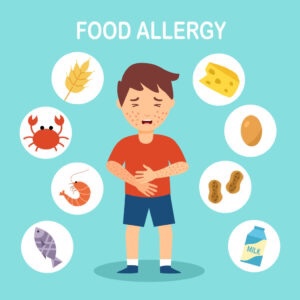
What are food allergens?
Food allergens are substances that cause an allergic reaction when ingested. The immune system of an individual with a food allergy sees these allergens as harmful and releases antibodies to attack them. The release of these antibodies causes the symptoms of an allergic reaction.

The most common food allergens include:
- Peanuts
- Tree nuts
- Milk
- Eggs
- Soy
- Wheat
- Fish
- Shellfish
Food Allergen Testing
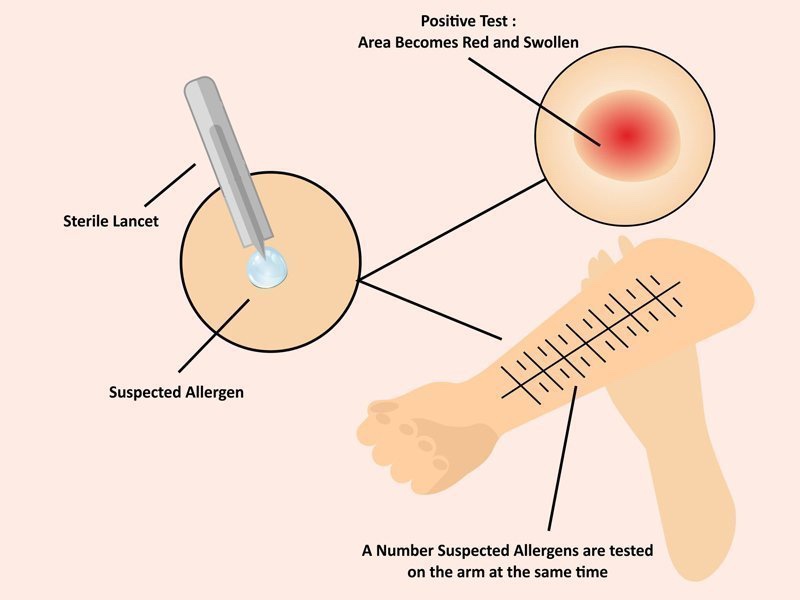
Food allergen testing is the process of identifying which allergens a person is allergic to. There are several methods of food allergen testing, including:
- Skin prick test: A small amount of allergen is placed on the skin, and a tiny prick is made through the droplet. If a person is allergic to the allergen, a raised bump or rash will appear on the skin.
- Blood test: A sample of blood is taken from the patient and tested for the presence of antibodies to specific allergens.
- Oral food challenge: A patient eats small amounts of the suspected allergen under medical supervision to determine if an allergic reaction occurs.
- Elimination diet: A patient avoids suspected allergens for a period of time to see if their symptoms improve. If symptoms improve, the patient may have a food allergy.
How to Avoid Food Allergens and Food allergies
The best way to avoid food allergens is to read labels carefully and avoid foods that contain the allergen. Some tips for avoiding food allergens include:
- Read labels carefully: Look for allergen information on food labels and avoid foods that contain the allergen.
- Be aware of cross-contamination: Avoid foods that may have come into contact with the allergen during preparation or manufacturing.
- Eat fresh foods: Fresh fruits, vegetables, and meats are less likely to contain allergens than processed foods.
- Be cautious when eating out: Inform the waiter or chef of your food allergy and ask them to take precautions to avoid cross-contamination.
How to Treat Food Allergies
The treatment of food allergies involves avoiding the allergen and treating symptoms if an allergic reaction occurs. Some treatments for food allergies include:
- Epinephrine: Injecting epinephrine can quickly reduce the symptoms of a severe allergic reaction.
- Antihistamines: Over-the-counter antihistamines can help relieve mild allergy symptoms.
- Corticosteroids: Prescription corticosteroids can help reduce inflammation in severe allergic reactions.
Emerging technologies and future of food allergies
- Advanced food testing methods: Researchers are working on developing faster, more accurate, and more comprehensive methods for testing foods for allergens. One promising technology is the use of biosensors that can detect specific allergens in foods quickly and with high accuracy, potentially reducing the risk of accidental exposure.
- Immunotherapy: This involves exposing the immune system to small amounts of allergens over time, gradually desensitizing the body to the allergen. New forms of immunotherapy are being developed, such as sublingual immunotherapy, where the allergen is placed under the tongue, or epicutaneous immunotherapy, where a patch containing the allergen is applied to the skin.
- Gene editing: Scientists are exploring the use of gene editing technologies like CRISPR to alter the DNA of food allergens, potentially making them less allergenic or eliminating them altogether.
- Microbiome research: Recent studies have shown that the gut microbiome plays a crucial role in immune system function and the development of allergies. Researchers are investigating the use of probiotics and other therapies that can modify the microbiome to prevent or treat food allergies.
While these technologies are still in the early stages of development, they offer hope for the future in the fight against food allergies. By continuing to invest in research and development, we may one day be able to eradicate food allergies altogether

Conclusion
Food allergies can be a serious and life-threatening condition. It’s important to understand what food allergens are, how to test for them, and how to avoid and treat them. By taking precautions and being aware of the foods we eat, we can reduce the risk of allergic reactions and live a healthy life.



Thanks for another informative web site. Where else could I get that kind of info written in such a perfect method? I’ve a venture that I am simply now operating on, and I have been at the look out for such info.
Thank you so much for wonderful response, Please do subscribe the blog to take part in serving our community with right information. Thank you
Wonderful site. A lot of useful info here. I抦 sending it to some buddies ans also sharing in delicious. And certainly, thanks for your sweat!
Thank you so much for wonderful response, Please do subscribe the blog to take part in serving our community with right information. Thank you