
Explore the Top 7 Gen Z healthcare trends transforming Wellness and care.
Top 7 Gen Z healthcare trends
In the US, Gen Z currently constitutes nearly a quarter of the population and is the most racially and ethnically diverse generation in history. As this generation of independent thinkers transitions into their next chapter — leaving home, graduating from school and starting their first jobs — they will also begin navigating the healthcare system on their own for the first time.
By 2030, Gen Z is projected to make up 30% of the workforce and their earnings will reach $2 trillion.1 Their unique preferences, expectations and needs will make them the most influential generation and Gen Z healthcare trends will be profound.
However, Gen Z places a high priority on healthcare, but their approach is different from previous generations. Here are some key aspects of why Gen Z prefers holistic wellness.
1. Mental Health Gen Z
Gen Z Mental Health includes:
- Mental health is as important as physical health.
- They seek therapy, counseling, and digital mental health resources.
- Open conversations about anxiety, depression, and burnout are common.
2. Preventive healthcare for Gen Z
- Focus on nutrition, exercise, and mindfulness to prevent illnesses.
- Preference for natural remedies and alternative medicine.
- Strong interest in wellness trends like meditation, sleep hygiene, and gut health.
3. Digital healthcare for Gen Z
- Use of telemedicine and health apps for convenience.
- Wearable tech (smartwatches, fitness trackers) for monitoring health.
- Preference for digital-first interactions with doctors and healthcare providers.
4. Affordability & Accessibility
- Concerns about the high cost of medical care and insurance.
- Support for universal healthcare and affordable mental health services.
- Preference for transparent pricing and digital healthcare options.
5. Reproductive & Gender-Inclusive Care
- Support for reproductive rights and access to contraceptives.
- Demand for inclusive healthcare for LGBTQ+ individuals.
- Advocacy for comprehensive sex education.
6. Work-Life Balance & Health

- Value workplaces that prioritize mental health and well-being.
- Expect flexible schedules and wellness benefits from employers.
- Less likely to tolerate toxic work environments that harm health.
7. Social Media & Telehealth for Gen Z
- Many get health advice from TikTok, Instagram, and YouTube, which can be good (raising awareness) or bad (spreading misinformation).
- They trust peer reviews, influencers, and community-driven content over traditional advertising.
What are the best self-care habits for Gen Z?
Gen Z prioritizes tech-savvy, proactive, and holistic healthcare for blending digital tools, mental health care, fitness, and preventative wellness. Their routine includes a mix of self-care, AI in healthcare, traditional medicine, and alternative health practices.
1. Morning Health Routine
- Hydration First – Many start their day with lemon water, electrolytes, or herbal teas for hydration.
- Supplements & Vitamins – Common choices include multivitamins, probiotics, collagen, and adaptogens (like ashwagandha for stress).
- Mindfulness & Mental Health Check-in – Meditation, journaling, gratitude exercises, or apps like Headspace and Calm.
- Skincare as Self-Care – Sunscreen (SPF is a must!), serums, and skin barrier-focused products.
- Quick Digital Health Check – Many check sleep-tracking apps, fitness stats, or mood-tracking journals before starting their day.
2. Gen Z wellness habits (Work/School Day )
- Healthy Snacking & Hydration – Protein shakes, matcha, plant-based snacks, and staying hydrated with reusable water bottles.
- Blue Light Protection – Wearing blue light glasses or using screen filters to reduce eye strain.
- Mini Mental Health Breaks – Short walks, deep breathing exercises, or stretching to manage stress.
- Standing Desks & Posture Awareness – Many use ergonomic chairs, standing desks, or posture-correcting wearables.
3. Evening & Fitness Routine
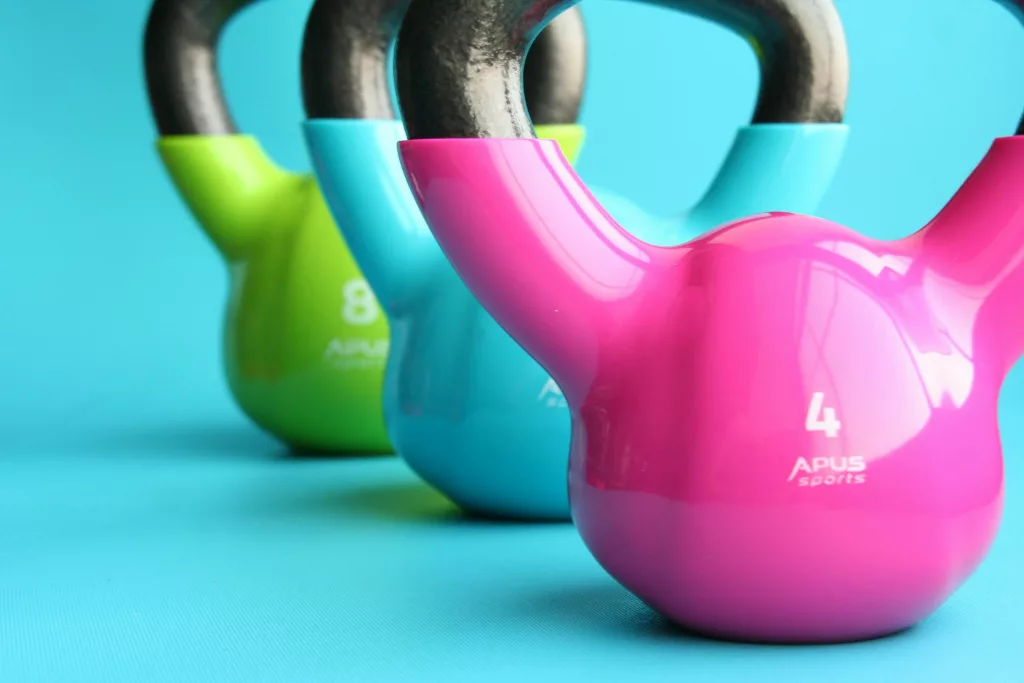
Exercise Preferences – Gen Z enjoys short, efficient workouts like:
✔ Home workouts (YouTube, fitness apps like Nike Training Club)
✔ Yoga, pilates, and mobility training
✔ Group fitness classes (spin, boxing, HIIT)
✔ Weight training for strength & longevity
- Post-Workout Recovery – Foam rolling, magnesium supplements for muscle recovery, and protein intake.
- Holistic Wind-Down Routine – Herbal teas, warm showers, stretching, and relaxing music or white noise apps.
4. Nighttime Health & Sleep Routine
- Screen Time Limits – Reducing blue light exposure before bed (or using night mode on devices).
- Sleep Tracking – Gen Z mental health support apps like Oura Ring, WHOOP, or Fitbit to analyze sleep patterns.
- Melatonin & Natural Sleep Aids – Some take magnesium glycinate, melatonin, or CBD for better sleep. Mental Health Journaling – Writing gratitude lists or brain-dumping stressors before bed.
A recent survey by the Times reveals that nearly two-thirds of Generation Z believe social media is more harmful than beneficial, describing it as toxic, addictive, and unsafe. Read the survey given below to help get a full understanding.
5. How Gen Z chooses healthcare providers
- Regular Checkups & Screenings – Many prefer virtual doctor visits & at-home testing kits (STD tests, hormone panels, gut health tests).
- Dental & Skincare Priorities – Invisalign, regular cleanings, skin treatments like facials or chemical peels are popular.
- Therapy & Mental Health Support – Regular therapy sessions (BetterHelp, Talkspace) or self-guided CBT apps.
- Alternative & Functional Medicine – Exploring acupuncture, herbal medicine, and gut health diets
- Sustainable Health Choices – Using organic, cruelty-free, or eco-friendly wellness products.
⚡ Key Takeaways
✅ Tech-Driven Health – Telehealth, wearable trackers, AI health chatbots.
✅ Mental Health is Non-Negotiable – Therapy, journaling, mindfulness.
✅ Efficiency Matters – Short workouts, quick wellness hacks, on-the-go healthy eating.
✅ Preventative Care is a Priority – Skincare, gut health, sleep optimization.
✅ Holistic & Sustainable Approach – Clean eating, functional medicine, eco-conscious health choices.
Future of healthcare for Gen Z
Gen Z demands a healthcare system that is fast, affordable, transparent, and digital-first. They care deeply about mental health, preventative care, and convenience. Healthcare providers who adapt to these expectations will be the ones that thrive in the future.
Would you like insights on how specific industries (hospitals, pharmacies, insurance) can evolve to meet Gen Z’s expectations?
References:
Academic & Research Sources:
- UNICEF (2021). The State of the World’s Children 2021: On My Mind – Promoting, Protecting and Caring for Children’s Mental Health. Available at UNICEF
- Pew Research Center (2023). Gen Z’s Approach to Healthcare and Wellness. Available at Pew Research
- World Health Organization (WHO) (2022). Mental Health and Well-Being in Adolescents. Available at WHO
News & Reports:
- The Times (2024). Mental Health Struggles Among Gen Z: A Growing Crisis. Available at The Times
- The Guardian (2024). Gen Z and Digital Detox: A Shift in Priorities. Available at The Guardian
- Harvard Business Review (2023). How Gen Z is Driving Change in Healthcare and Wellness Trends. Available at HBR
Industry & Digital Health Reports:
- McKinsey & Company (2023). Gen Z and the Future of Healthcare: Trends and Insights. Available at McKinsey
- Deloitte Insights (2023). The Rise of Gen Z in Healthcare Decision-Making. Available at Deloitte
- American Psychological Association (APA) (2022). Gen Z and Mental Health: An Urgent Concern. Available at APA